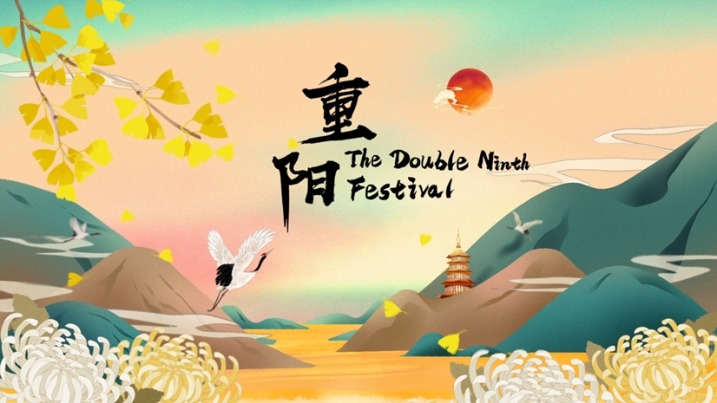
Chongyang Festival
Introduction
The Chongyang Festival, also known as the Double Ninth Festival, is a traditional Chinese festival celebrated on the ninth day of the ninth month in the lunar calendar. The festival is deeply rooted in Chinese culture, with a rich history and various customs that emphasize respect for the elderly, health, and well-being.
Historical Background
The Chongyang Festival dates back to the Warring States Period (475-221 BC) and gained prominence during the Wei and Jin dynasties (220-420). It became a widely celebrated festival during the Tang Dynasty (618-907).
The festival's name, "Chongyang", comes from the Chinese word "chong", meaning "double", and "yang" which is associated with the number nine. According to "I Ching", or Book of Changes, "nine" is a positive-or "yang"-number. Therefore, the ninth day of the ninth month means "double nine" or "double yang". Since "chong" means double in Chinese, it is also called "Chongyang" in China.
Traditional Customs
Mountain Climbing
One of the most significant customs of the Chongyang Festival is climbing mountains. This practice is believed to ward off misfortune and promote good health. In ancient times, climbing heights was seen as a way to avoid evil spirits and disaster, as it was thought to bring one closer to the heavens and away from earthly troubles. Today, the tradition continues as a way to enjoy the beautiful autumn scenery and as an expression of hope for longevity.
Chrysanthemum Appreciation
Chrysanthemums, which bloom in the ninth lunar month, hold a special place in the Chongyang Festival. They symbolize longevity and are admired for their beauty and resilience during the festival. Chrysanthemum wine, made from the flower, is traditionally consumed, believed to have health benefits and to ward off evil spirits.
Cornel Twig Wearing
Wearing cornel twigs, or dogwood, is another tradition associated with the festival. The cornel is believed to have medicinal properties and was traditionally worn to ward off diseases and evil spirits. This practice dates back to ancient China and was already very popular during the Tang Dynasty.
Chongyang Cake
Eating Chongyang cake, a special cake made of rice flour, is a traditional food custom of the festival. The cake, also known as "flower cake" or "chrysanthemum cake", is often decorated with colorful toppings and sometimes shaped like a tower to symbolize climbing to new heights.
Modern Significance
In modern times, the Chongyang Festival has evolved to emphasize respect and care for the elderly, and it is also known as the Senior Citizens' Festival. Since 1989, Chongyang has been promoted as a day for showing respect and appreciation for the elderly, aligning with the festival's themes of longevity and health. Families often use this day to visit or send greetings to older family members, reflecting the importance of filial piety in Chinese culture.
International Recognition
The Chongyang Festival is not only celebrated in China but also in countries like the Republic of Korea and Japan. It has gained international attention as a cultural symbol of respect for the elderly and appreciation for nature.








